Built
to spec
2022
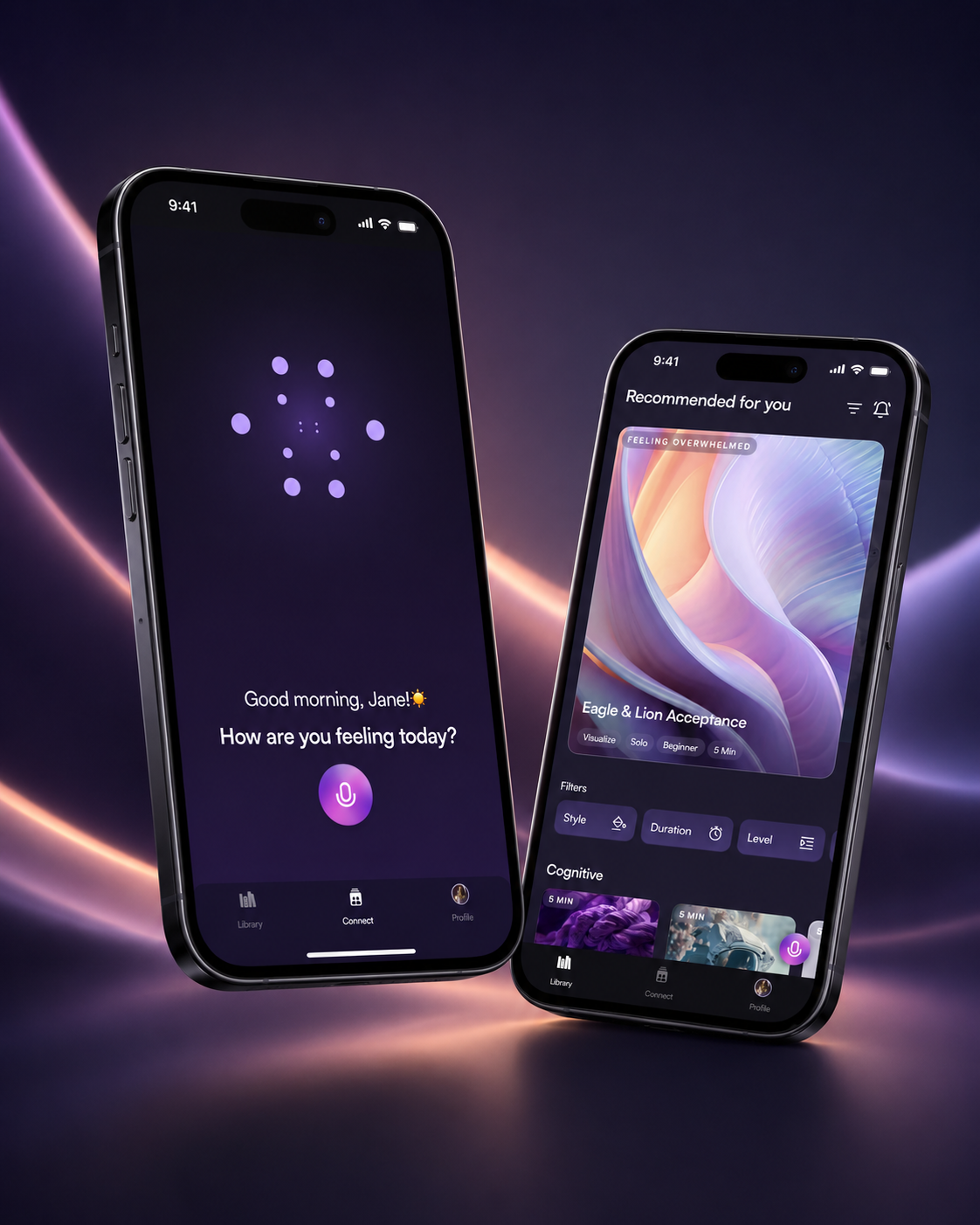
Service-locator app, find the nearest authorised centre, in two taps.
01 · Outcomes
Numbers, not adjectives. The stats below are pulled from production. Anything still live, still measured.
to spec
2022
scope
mobile
tech in stack
React Native · Maps API
shipped
year of build
02 · Overview
Battery service locator for TAB across Serbia. The driver use case is unforgiving: it's the side of the road, the rain, the dead battery. App goes from cold open to nearest service centre in two taps, call, navigate, request roadside assist. Full directory available offline because cell service in those moments is exactly what fails first.
03 · Gallery
Mockups of the finished product. Click any shot to open it full-size.
04 · Decisions
Tech is downstream of decisions. These are the calls made early enough to compound the right way. The ones a code review six months later still agrees with.
One engineer from schema to deploy. Removes the most expensive failure mode in product builds — the seam between specs and code where intent dies.
Data shapes first, screens second. The frontend is a view of the data, not a parallel reality. Saves weeks of rework when scope shifts.
Relational stores for payments and ledgers (ACID is non-negotiable), document stores for content, Redis for cache. Pick the dull tool for the dull job.
Let’s build
I take 4–5 freelance projects a year. Cold pitches welcome. I reply within 24 hours on weekdays.